The 57th NAACP ceremony was both a major entertainment event and a cultural statement—an annual celebration of Black achievement across film, television, music, books, and beyond. Held in Pasadena, California, the show arrived as one of the final headline stops on the broader awards-season calendar and landed near the end of Black History Month, giving the night an added sense of symbolism and visibility.
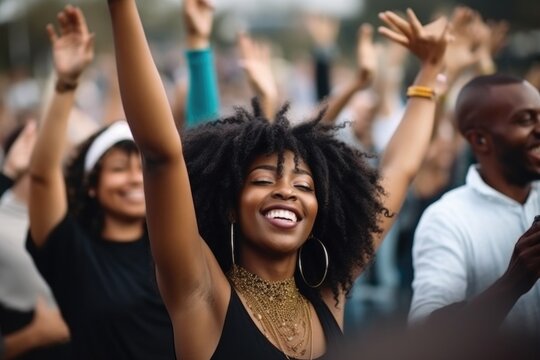
The magical rhythm of arrivals, the energy inside the venue, and the moments that define an awards night—hugs, laughter, speeches, and the pause just before winners speak. The gallery blends the spectacle of the red carpet with the intimacy of onstage reactions, offering a “best of” visual record that makes the event feel both glamorous and communal.
Several images highlight the ceremony’s civic dimension, where entertainment and public life overlap. One prominent photo shows NAACP President Derrick Johnson addressing the audience while speaking about Rev. Jesse Jackson, a reminder that the organization’s awards show is rooted in civil-rights history and in the NAACP’s continuing role as an institution that links culture with political and social advocacy. That kind of moment sets the Image Awards apart from purely industry-focused ceremonies: the event consistently frames success not only as box-office or ratings impact, but as representation, legacy, and community pride.
The gallery also reflects the night’s competitive backdrop. The film “Sinners” entered the ceremony as the leading film nominee, which helps explain why certain artists and teams draw outsized attention from photographers and viewers. Even for people who don’t follow the full winners list, the images communicate what matters at the Image Awards: who is being honored, which projects are shaping conversation, and how the room responds when major names take the stage.
Fashion is another thread running through the gallery. The NAACP red carpet is treated as a stage of its own—where stars signal confidence and creativity through tailoring, color, jewelry, and styling that feels intentional rather than purely trend-driven. Vogue’s coverage of the same night emphasizes the red carpet as part of the event’s cultural storytelling, spotlighting standout looks and self-definition.
There was one purpose: to put Black excellence at the center of the frame, to celebrate artists and stories that shape American culture, and to document a night where recognition is both personal (for winners) and collective (for the community the awards represent). The result is a gallery that doesn’t just show who attended—it conveys why the night matters.