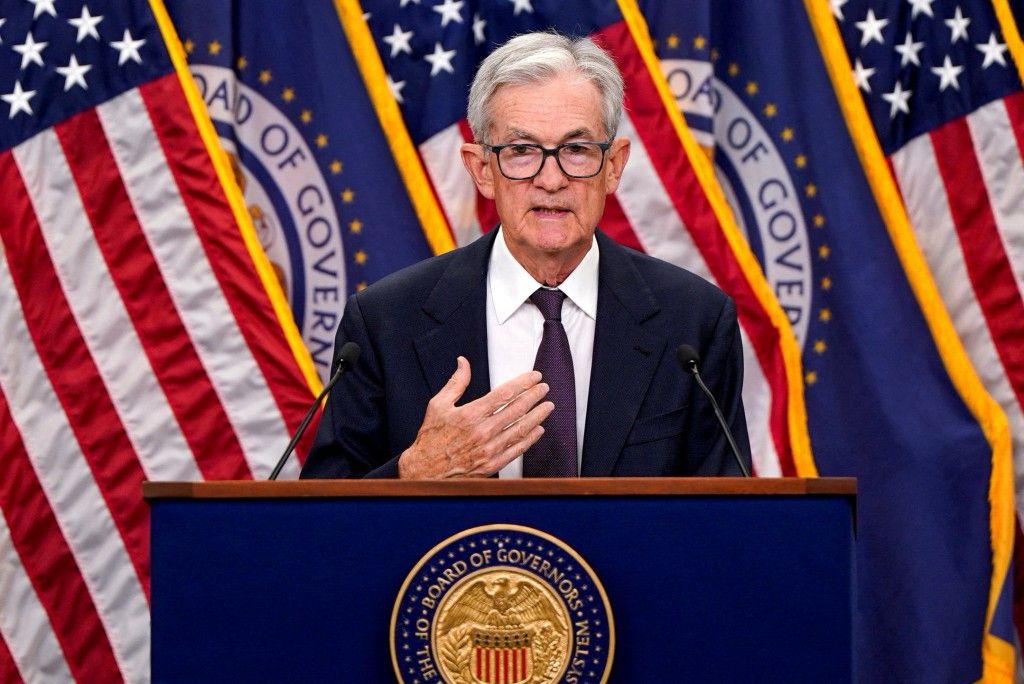
A key House committee chair is pushing for Federal Reserve Chair Jerome Powell to testify before Congress “soon,” arguing that lawmakers need timely oversight of the central bank even as a Department of Justice investigation has complicated the normal schedule for Powell’s appearances. His first major congressional testimony of the year—typically held between the Fed’s first and second policy meetings—has not yet been scheduled, and the delay is occurring amid an ongoing DOJ probe linked to Powell’s prior remarks to the Senate about a controversial Federal Reserve building renovation project.
The dispute sits at the intersection of politics, Fed independence, and procedure. The chair’s request reflects frustration that Congress has not yet had the chance to question Powell in the expected early-year window, when lawmakers traditionally press the Fed on inflation, employment, financial stability, and any major policy risks. In ordinary years, this testimony is part of a predictable rhythm: the Fed meets, releases projections and guidance, and then Congress asks the chair to explain the decisions and the outlook. This year, that rhythm has been disrupted by the criminal inquiry’s shadow and by heightened political pressure on the Fed.
The backdrop is a high-stakes battle over rates and accountability. Powell has described the administration’s legal pressure as a “pretext” to gain more influence over monetary policy, after the DOJ subpoenaed the Fed and Powell disclosed threats tied to his congressional testimony regarding the renovation. That project—often described as a roughly $2.5 billion overhaul of two Fed buildings—has become the focal point of claims that Powell misled lawmakers, allegations Powell disputes.
At the same time, Powell’s time as chair is nearing an official endpoint, with his term set to end in mid-May 2026. Trump has nominated Kevin Warsh to succeed Powell, a confirmation process that is itself entangled with the DOJ probe: Sen. Thom Tillis has threatened to block any Fed chair nomination until the investigation is resolved. This adds urgency to the House chair’s demand—if Powell is leaving soon, lawmakers may see a narrowing window to question him directly about policy and the controversy.
The core issue now is timing and precedent: whether congressional oversight can proceed normally when legal investigations involve statements made during prior oversight hearings. The situation is unusual because it can chill testimony—either because witnesses become more cautious or because scheduling becomes politically fraught—while also increasing lawmakers’ desire to ask questions in public.
In short, the push for Powell’s testimony is more than calendar management. It’s a sign of intensifying conflict over Fed independence and transparency at a moment when the central bank is still navigating inflation risks, a shifting economy, and leadership transition—while its chair faces an unresolved legal cloud that could shape how, when, and whether he appears before Congress in the usual way.