Lawmakers Urge National Guard Role to Counter Drone Threats at the 2026 World Cup
· 3 min read
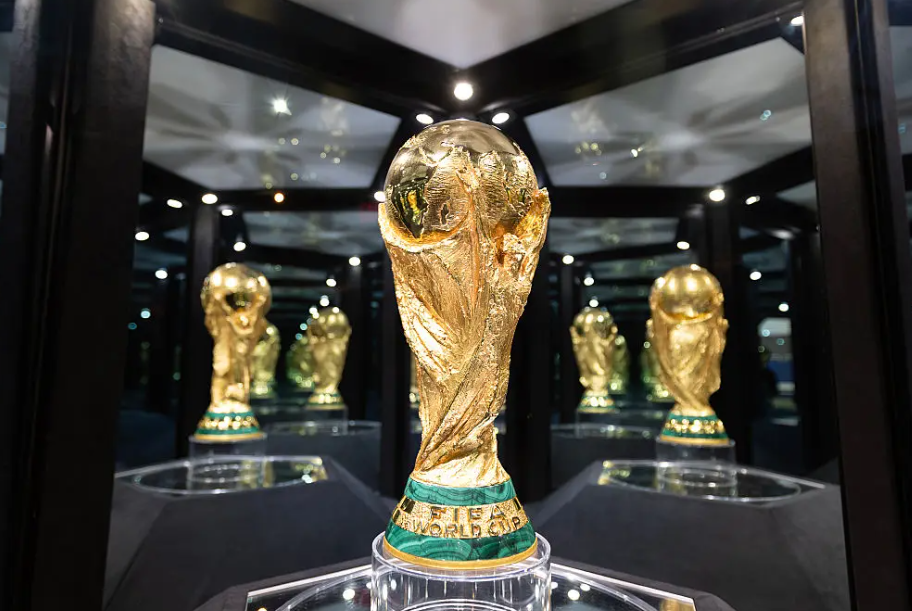
Two Republican members of Congress are urging the Trump administration to give the National Guard a formal role in protecting the 2026 FIFA World Cup from drone-related threats, arguing that current planning may not be enough to secure the airspace over matches in the United States. Representatives Michael McCaul and Elijah Crane sent a letter to Homeland Security Secretary Markwayne Mullin, acting Attorney General Todd Blanche, and Defense Secretary Pete Hegseth calling for immediate interagency action. Their central concern is that the scale of the tournament, combined with fragmented responsibilities across federal, state, local, and event authorities, could leave dangerous gaps in security.
The lawmakers specifically called for a stronger federal response to potential drone threats over the 11 U.S. cities hosting World Cup games. They warned of possible personnel shortages and complicated jurisdictional divides between event organizers and host cities. In their view, those conditions could create a “fragmented environment” unless the federal government establishes a more unified security structure. They argued that the National Guard is especially well suited for this role because of its ability to deploy quickly, operate at scale nationwide, and support domestic emergency responses.
Their proposal centers on counter-unmanned aircraft systems, often called C-UAS, which are used to detect, track, and if necessary neutralize hostile or unauthorized drones. McCaul and Crane said the National Guard is “uniquely positioned” to assist federal and state authorities with drone mitigation and broader coordination for tournament security. That is important because drones have become one of the most difficult modern event-security challenges: they are relatively cheap, widely available, and can be used for surveillance, disruption, or direct attack. The lawmakers’ letter suggests they believe existing arrangements may not be sufficient for an event as large and internationally visible as the World Cup.
The timing of the request added urgency. The letter was sent last Friday, and a day later a gunman opened fire at the White House Correspondents’ Dinner in Washington, intensifying security concerns around major public gatherings in the United States. Although that shooting was not a drone incident, it reinforced the general sense that high-profile events this summer could attract threats and that authorities need to be prepared across multiple scenarios. The White House responded on Monday by saying the World Cup would be safe and secure. Spokesman Davis Ingle said President Trump is focused on making the tournament “the safest and most secure in history.”
At the same time, Department of Homeland Security, the Justice Department, and the Pentagon did not immediately respond to requests for comment about the letter. That means the proposal remains a call for action rather than a confirmed policy shift. Still, the fact that the request came from two members of the House Homeland Security Committee gives it added political weight, especially as World Cup preparations intensify.
The larger issue is how security responsibility is divided for an event like the World Cup. Matches will be spread across multiple metropolitan areas with different local capacities, while FIFA, local organizers, state authorities, and federal agencies all have roles to play. The lawmakers’ warning reflects concern that without a stronger federal lead, those overlapping responsibilities could create weak points.
Overall, the letter is part of a broader push to harden security before one of the world’s largest sporting events begins on U.S. soil. McCaul and Crane are not saying the tournament is unprotected; they are arguing that the drone threat is serious enough to justify a larger, faster, and more coordinated federal role, with the National Guard as a central part of that response.