The U.S. Oil Era Is Weakening While China Builds the Future of Renewable Power
· 2 min read
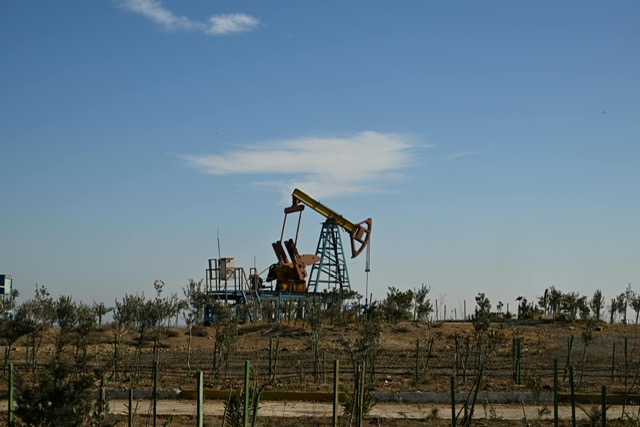
The global age of American oil dominance is starting to break down, while China is positioning itself as the main winner of the clean-energy era. This energy transition is not only a climate story, but as a major geopolitical shift. For much of the 20th century, U.S. power was tied to oil, military reach, and control over energy flows. Now, as solar, wind, batteries, and electric vehicles grow cheaper and more important, that old system is weakening.
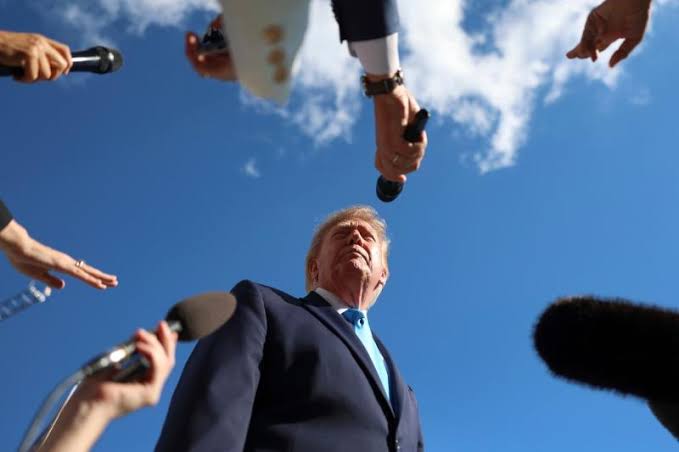
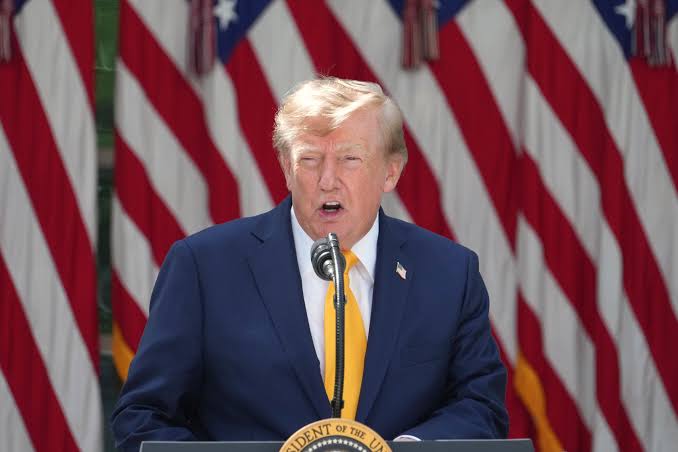
The central contrast is between the United States and China. Under President Donald Trump, the U.S. is described as trying to revive and defend the fossil-fuel economy, even as oil dependence becomes more costly and unstable. Trump is performing some crucial movements: the Iran war, rising oil prices, his attacks on climate science and political support for the fossil-fuel industry. In this view, America is trying to extend an old model of power at the very moment the world is moving toward a new one.
China, meanwhile, is presented as the country that saw the future earlier and invested heavily in it. China has built a commanding lead in solar panels, batteries, electric vehicles, wind power, and other clean technologies. That lead gives Beijing economic advantages, but also geopolitical leverage. As countries move away from oil and gas, they increasingly need the hardware of electrification — and China dominates much of that supply chain.
But the transition away from fossil fuels may not be smooth. The decline of oil’s central role could weaken U.S. influence, but it could also create instability as fossil-fuel interests fight to protect their profits and political power. Parts of the U.S. political system are suppressing climate action, attacking renewable energy, and spreading disinformation to slow the transition.
The Iran war makes the stakes clearer. Oil-market shocks have pushed many governments, businesses, and households to look harder at renewables as a way to escape volatile fossil-fuel prices. The unintended effect of Trump’s Iran policy may be to accelerate the global shift from oil and gas, especially in countries trying to protect themselves from energy shocks. That shift could further benefit China because it is already the leading manufacturer of solar panels, batteries, and affordable electric vehicles.
There is also a risk for U.S. allies. Europe, for example, wants clean energy but is heavily dependent on Chinese green technology. Apparently, China supplies the vast majority of Europe’s imported solar panels and lithium-ion batteries, creating concerns that the clean-energy transition could replace dependence on oil producers with dependence on Chinese manufacturing.
Overall, the energy transition is a race the United States is in danger of losing. America remains powerful, but its political leadership is doubling down on oil while China is scaling the industries that may define the next century. The result could be a world where clean energy wins, but the benefits are unevenly distributed, and U.S. influence declines because it failed to lead the transition it once had the resources to dominate.