Hollywood’s Production Crisis Becomes a Defining Issue in the Los Angeles Mayor’s Race
· 2 min read
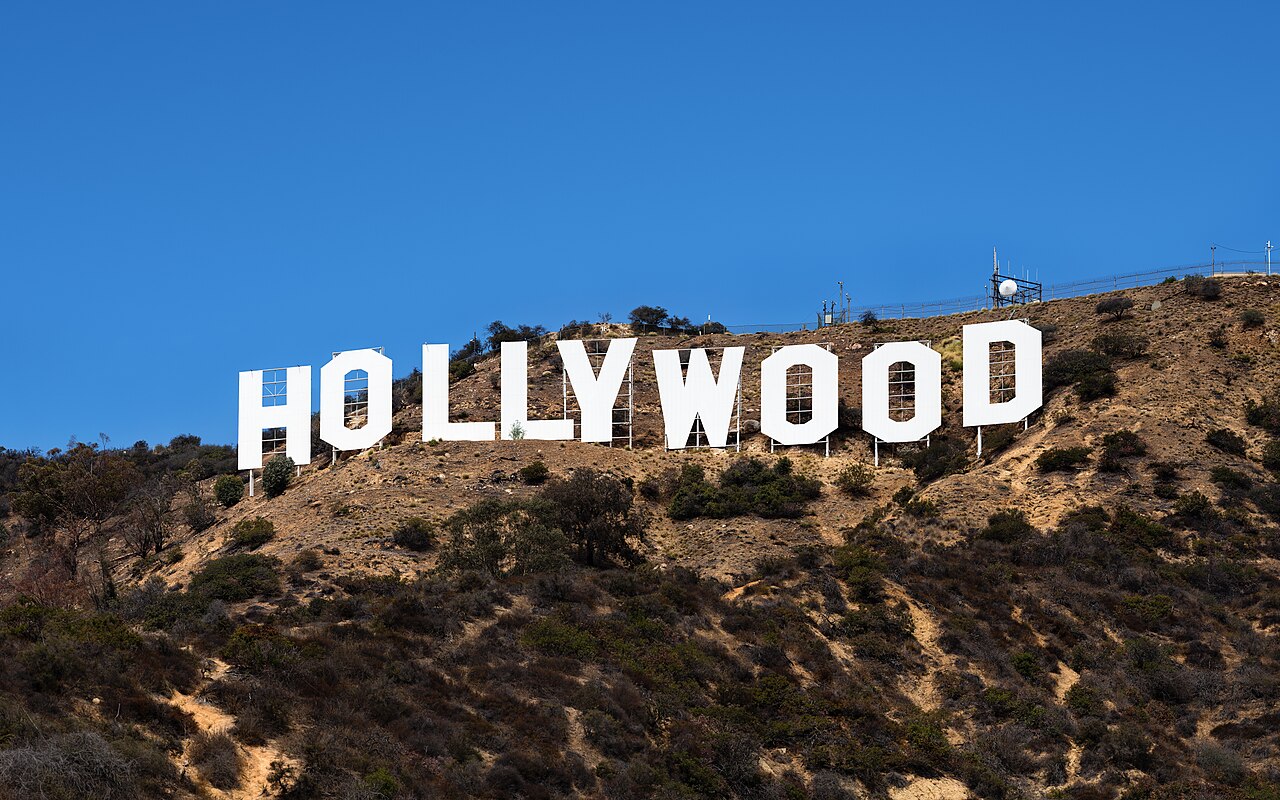
Hollywood’s production crisis has become a major issue in the Los Angeles mayoral race, putting the future of the entertainment industry alongside affordability, crime and homelessness as one of the city’s central political concerns. This would have been hard to imagine in the previous election cycle, but the steep decline in local film and television work has become too severe to ignore. The industry is not just a cultural symbol for Los Angeles; it is a major employer, and its slowdown is affecting crew members, actors, small businesses and neighborhoods tied to production.
The crisis has pushed candidates to treat Hollywood as a kitchen-table issue rather than a niche concern for studios and celebrities. A related Hollywood Reporter article described the production slump as a “flashpoint” in the race, noting that Mayor Karen Bass, Councilmember Nithya Raman and candidate Spencer Pratt have all had to address the industry’s struggles. The political logic is clear: when filming leaves Los Angeles, the pain is felt by working-class crews, caterers, drivers, set builders, costume workers, location staff and many other people whose livelihoods depend on steady production.
One of the biggest pressures is competition from other states and countries that offer cheaper production costs and stronger incentives. California has expanded its film and television tax credit program, and some recent wins show the strategy can work. For example, CBS’ drama “Tracker” is relocating production from Canada to Los Angeles with help from a $48 million California tax credit, bringing an estimated 250 crew members, 275 actors and more than 176 filming days to the state. The show’s move is being presented as evidence that incentives can help bring work back when they are large enough and targeted effectively.
Los Angeles city officials have also started trying to make filming easier and cheaper at the local level. The city plans to offer reduced-price permits for low-impact shoots, with some permits cut by as much as 58% for productions using three or fewer locations. That pilot program reflects one of the industry’s main complaints: even when productions want to film in L.A., local costs, bureaucracy and logistical headaches can make the city harder to use than competing locations.
The production crisis also extends into animation. California recently awarded its first film tax credits for animated features, including “The Simpsons Movie 2,” “Phineas and Ferb” and an untitled DreamWorks Animation film. DreamWorks executives called the new credit a potential “game changer,” because animation work has also moved away from California over time. This shows that the broader fight is not only about live-action shoots on city streets, but about preserving Los Angeles’ entire entertainment ecosystem.
For mayoral candidates, the issue is politically powerful because it connects identity and economics. Los Angeles is known worldwide as the capital of entertainment, but many industry workers now feel the city is failing to protect one of its most important sectors. Candidates are under pressure to offer concrete solutions, including faster permitting, more competitive incentives, better coordination with state leaders and stronger efforts to keep production from leaving.
Overall, the story shows how Hollywood’s downturn has moved from studio boardrooms into electoral politics. The crisis is no longer only about box office trends or streaming disruption. It is about jobs, local businesses, tax revenue and whether Los Angeles can remain the center of the industry that helped define it.