Trump Delays Planned Iran Strike as Gulf Allies Push for New Negotiations
· 2 min read
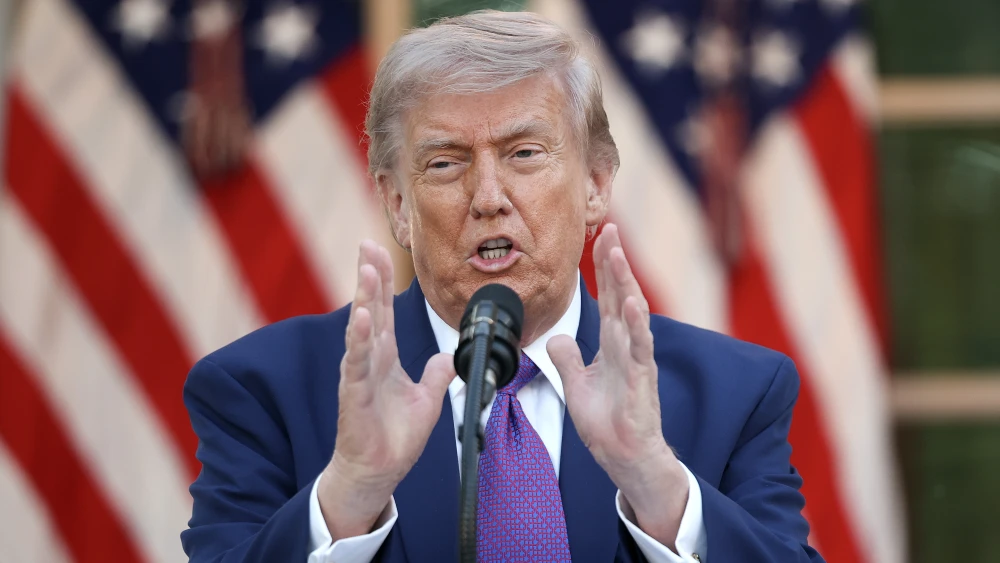
President Donald Trump said he is postponing a planned military strike on Iran that had been scheduled for Tuesday, saying several U.S. allies in the Middle East asked him to hold off because “serious negotiations” are underway. Trump announced the decision Monday 18 April on social media, framing the delay as temporary but saying he hoped it could last “for a little while, hopefully, maybe forever.”
The announcement came at a tense moment in the U.S.-Iran conflict. Trump had recently warned Tehran that the “clock is ticking” to reach a deal, suggesting that fighting could resume after a fragile ceasefire struck in mid-April. He did not provide details about what targets the U.S. had planned to hit, but said he had ordered the military to be ready for a possible “full, large-scale assault” if Iran does not accept terms Washington considers acceptable.
The decision to delay the strike shows how close the conflict may have come to a major escalation. A direct U.S. attack on Iran could have reignited broader fighting, threatened the ceasefire, and increased the danger of regional spillover. By saying Gulf allies requested the pause, Trump also suggested that regional governments are playing an active role in trying to prevent a wider war, even as they remain deeply concerned about Iran’s actions and the security of energy routes.
The timing is especially important because the Strait of Hormuz has remained a central flashpoint. The waterway is one of the world’s most important shipping routes for oil and gas, and tensions there have already shaken global markets. Any renewed U.S. strikes could increase the risk of attacks on ships, higher fuel prices, and deeper instability across the Middle East. The postponed strike therefore matters not only militarily, but also economically.
Trump’s statement also keeps pressure on Iran. Although he agreed to pause the attack, he made clear the U.S. military remains prepared to act quickly. That combination of restraint and threat reflects his broader strategy: use the possibility of overwhelming force to push Tehran toward negotiations. Whether that approach works depends on whether Iran sees the delay as an opening for diplomacy or as another ultimatum.
Still, the Iran announcement dominated the day because of its immediate global stakes. Trump’s decision does not end the crisis, and it does not guarantee a diplomatic breakthrough. But it does delay a military action that could have pushed the region back into open conflict. For now, the U.S. is giving negotiations more time while keeping the threat of force clearly on the table.