First Refunds From Trump Tariffs Expected in May as Importers Wait for Billions in Repayments
· 3 min read
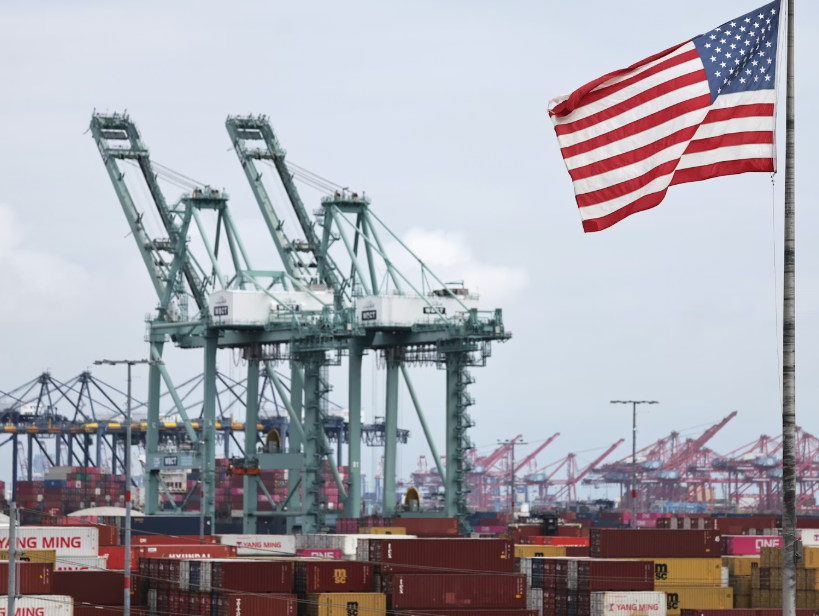
The U.S. government says the first refunds tied to President Donald Trump’s overturned tariffs are expected to begin going out around May 11, marking the next major step in unwinding one of the most disruptive trade policies of his administration. The update came from U.S. Customs and Border Protection, which is overseeing the process of returning money to importers after the tariffs were struck down in court. The refund effort is enormous in scale and is being closely watched by businesses that say the duties distorted prices, supply chains, and investment decisions for months.
The refunds stem from the U.S. Supreme Court’s February decision invalidating Trump’s use of emergency powers to impose broad tariffs. That ruling not only halted the duties, but also required the government to prepare to return vast sums already collected. Total amount eligible for reimbursement could reach $166 billion, making this one of the largest tariff repayment efforts in modern U.S. history. The new May 11 target gives companies their first clearer indication of when actual money may begin moving back to them rather than simply being processed administratively.
The administrative challenge is huge because the tariffs touched hundreds of thousands of businesses and tens of millions of shipments. More than 330,000 importers paid the tariffs across about 53 million shipments, and by early April, 56.497 importers had already completed the steps needed to receive electronic refunds, covering about $127 billion of the total eligible amount. Those figures show that the government is not dealing with a narrow compensation program but with a systemwide reimbursement project affecting a very large share of U.S. import activity.
The refund portal itself launched earlier in April and immediately drew a flood of claims. Thousands of companies rushed to file as soon as the system opened, worried that processing delays or technical problems might affect how quickly they would be repaid. Some businesses described early glitches, including rejected uploads and the need to retry large batches of documents. Even so, customs officials said they had built the system to process refunds efficiently and in compliance with the court’s order. The May 11 target suggests that, despite the technical and logistical burden, the government believes the first phase of actual payments is now close.
For importers, the refunds are more than an accounting matter. Many companies argued that the tariffs squeezed margins, raised consumer prices, and forced them to rethink sourcing and inventory plans. For some firms, especially those with large import exposure, the money coming back may materially improve cash flow or help offset costs absorbed during the tariff period.
At the same time, the refund effort is symbolically important because it underlines the legal limits of Trump’s tariff strategy. What had been presented as a forceful tool to reshape U.S. trade relations has turned into a court-mandated reimbursement operation. The government is now not only stopping collection of the duties, but actively preparing to repay money that should not have been taken under the Court’s interpretation of the law. This reversal has become one of the clearest signs of how far-reaching the legal and commercial fallout from the tariff battle has been.
Overall, the expected start of refunds around May 11 is an important milestone for businesses, customs officials, and trade policy more broadly. It means the process is moving from legal rulings and portal signups into real financial restitution. For importers waiting on billions of dollars, the next phase is no longer abstract: the first repayments now appear imminent.