Trump Draws Cheers and Boos at Kennedy Center as His Overhaul of the Venue Deepens
· 2 min read
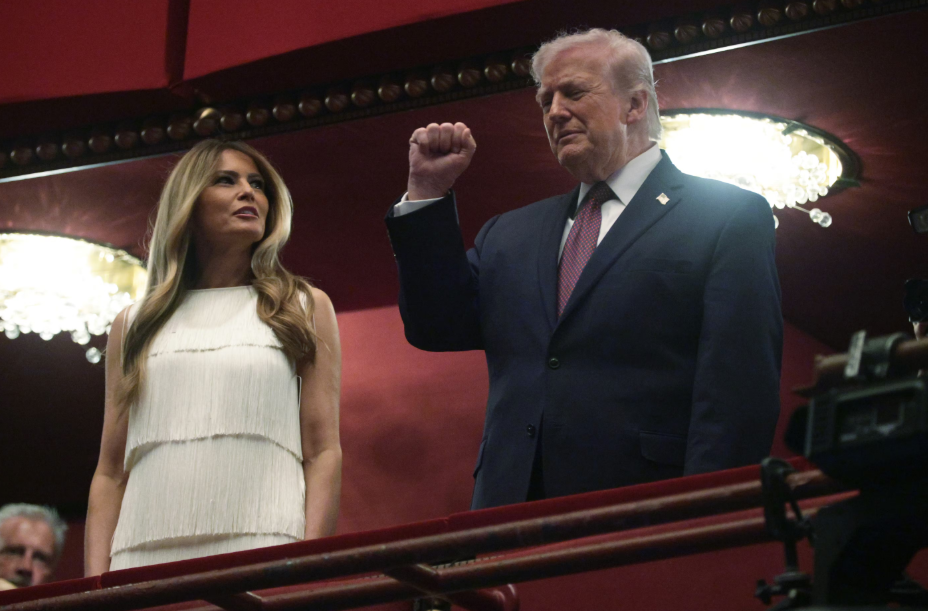
President Donald Trump attended the opening night of the musical Chicago at the Kennedy Center on March 31, in a visit that highlighted both his growing control over the institution and the deep controversy surrounding its future. Trump drew applause as he arrived, though some members of the audience also booed. The mixed reaction reflected the broader national divide over his role in reshaping one of the country’s most important cultural venues. This could be one of Trump’s last visits to the Kennedy Center for a performance before the institution closes in July for a planned two-year renovation.
Trump attended the performance with first lady Melania Trump after signing an executive order on voting issues earlier that day. The couple’s entrance brought louder cheers than boos, and that the event marked their first joint visit to the Kennedy Center since the January premiere of the documentary Melania. Trump had also attended an opening-night performance of Les Misérables there last summer, where he received a similarly mixed reception. This latest appearance was more than a routine night at the theater. It was also a public display of presidential influence over a prominent American arts institution that he has helped remake since returning to office in January 2025.
But Trump has used that influence aggressively. Seemingly, he ousted the Kennedy Center’s previous leadership and replaced it with a handpicked board of trustees, which then named him chairman. That same board added Trump’s name to the institution and approved the two-year closure for renovations. Those changes have stirred major backlash in the arts community and beyond. The takeover triggered a wave of cancellations by performers, musicians, and organizations that objected to Trump’s control of the storied venue. The naming change and the closure plan have also led to ongoing legal proceedings, showing that the conflict has moved beyond symbolism into a real institutional fight.
The choice of Chicago added another layer of meaning. The musical is a biting satire set in the 1920s about how show business and the media turn criminals into celebrities. Whether intentional or not, Trump’s appearance at that particular production invited obvious political interpretation, given his long relationship with media spectacle and his ability to dominate public attention. However, the performance will run through April 5 and Kennedy Center is scheduled to award the Mark Twain Prize for American Humor to Bill Maher on June 28, another event Trump could potentially attend before the closure begins.
The atmosphere around the event underscored how unusual the situation has become. Some attendees did not know Trump would be there until they arrived and saw heightened security, including bomb-sniffing dogs checking vehicles. Others had received vague messages about a special guest but were still surprised to learn it was the president.
More broadly, the story captures how the Kennedy Center has become another arena for Trump’s effort to reshape American institutions in his own image. What might once have been a simple presidential outing to a musical now carries political, cultural, and legal significance. His appearance at Chicago was not just about attending a performance. It was also a demonstration of authority over a national arts landmark whose identity, leadership, and future are now closely tied to his presidency.