High Court Upholds Postmark Rules for Mail Voting in Setback to Trump’s Election Push
· 3 min read
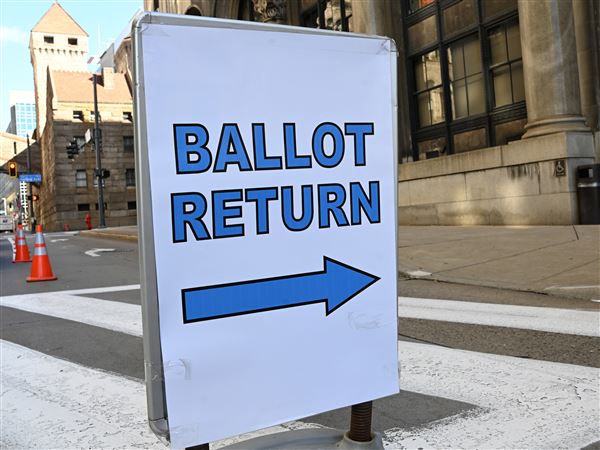
The U.S. Supreme Court has upheld state laws allowing some mail-in ballots to be counted after Election Day, rejecting a Republican-led challenge to Mississippi’s five-day grace period and delivering a setback to President Donald Trump’s campaign against mail voting. In a 5-4 ruling, the justices overturned a lower-court decision that had found Mississippi’s law inconsistent with federal election statutes governing the timing of federal elections.
The case centered on a Mississippi rule that permits absentee ballots to be counted if they are postmarked on or before Election Day but arrive up to five business days later. Justice Amy Coney Barrett wrote the majority opinion, joined by Chief Justice John Roberts and the court’s three liberal justices. Barrett said federal election laws require that ballots be cast by Election Day, but do not impose a separate receipt deadline, writing that the statutes “say nothing about ballot receipt.”
The ruling has consequences beyond Mississippi because similar practices are common across the country. About 30 states and the District of Columbia accept at least some ballots that are postmarked by Election Day but received afterward. That means the decision protects not only Mississippi’s system but also reinforces the legality of grace periods used in many other jurisdictions.
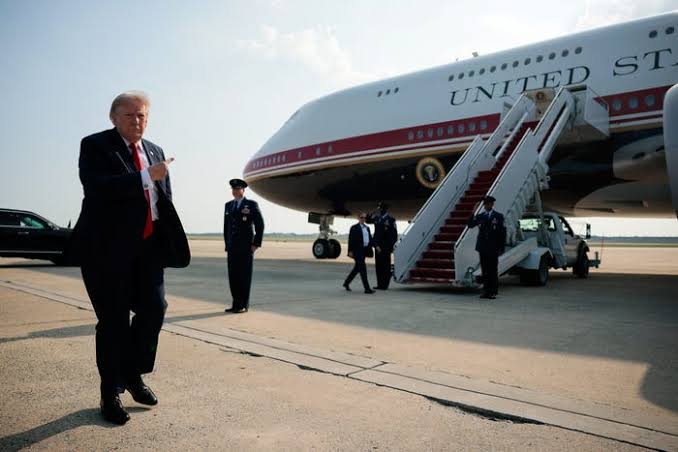
The political backdrop is significant. Trump had vowed last year to end mail-in voting nationwide before the 2026 midterm elections, and his administration backed the challenge to Mississippi’s law. After the ruling, Trump called it a “tremendous loss” and again urged Congress to pass the SAVE America Act, a partisan elections bill that would require photo ID to vote and proof of citizenship to register. Republicans have been unable to overcome Democratic opposition to that legislation in the Senate, where 60 votes are needed to advance most bills and Republicans hold a 53-47 majority.
The dissenters warned that the decision could damage trust in elections. Justice Samuel Alito, writing for the four dissenting conservatives, said the ruling creates “a serious risk of further undermining public confidence in our elections and our system of self-government.” That reflects the broader Republican skepticism toward mail voting, a position Trump has repeatedly amplified despite the lack of evidence of widespread fraud. Trump has continued to make false claims about the 2020 election and also issued an executive order in March to restrict mail voting nationwide, though a federal judge in Boston blocked its implementation on June 25.
Supporters of the decision framed it as a practical protection for lawful voters. Senate Democratic Leader Chuck Schumer welcomed the ruling, accusing Trump and his allies of trying to silence voters ahead of the midterms. Rebekah Caruthers of the Fair Elections Center said the decision affirms that voters who mail ballots on time should not lose their voices because of postal delays beyond their control, especially seniors, rural voters, people with disabilities, and military and overseas voters.
The case also emerged from a broader legal fight over how to interpret federal election-day statutes. The New Orleans-based 5th U.S. Circuit Court of Appeals had ruled in 2024 for the Republican challengers, saying federal law required ballots not only to be cast by Election Day but also received by then. The Supreme Court has now rejected that view.
The decision is an important election-law ruling with national implications. It preserves postmark-based grace periods in Mississippi and helps secure similar practices elsewhere, while dealing a clear defeat to Trump’s effort to narrow mail voting before the 2026 midterms.