Farmers Face New Solar Limits as Congress Moves to Protect Cropland From Renewable Development
· 2 min read
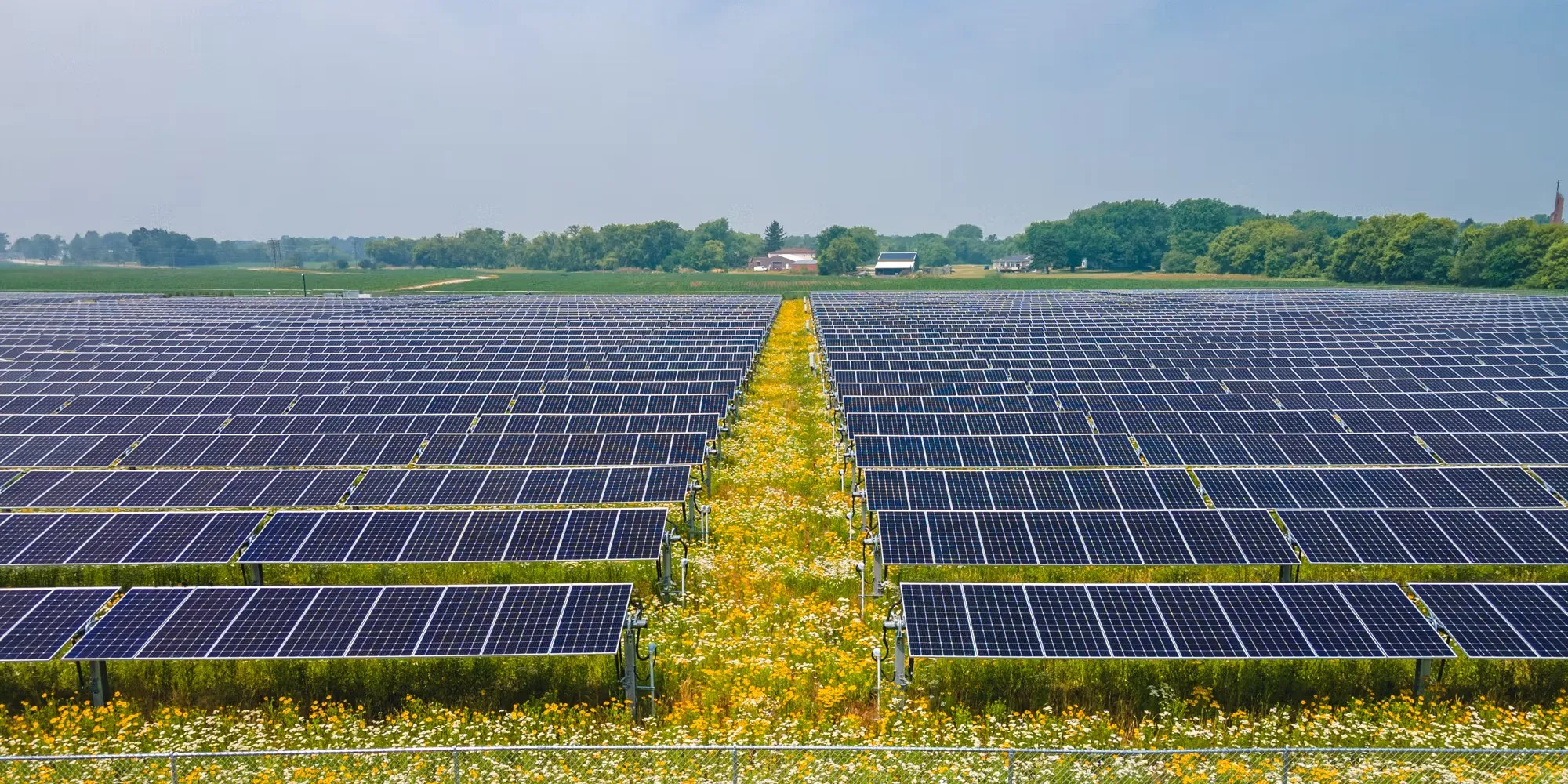
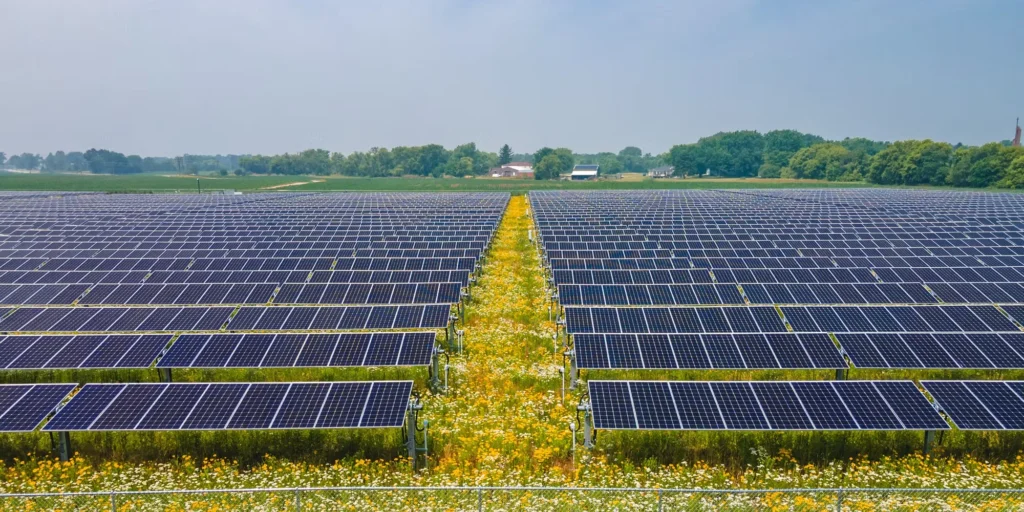
A provision in the new U.S. farm bill could make it harder to build solar projects on farmland, creating a new clash between renewable energy expansion and agricultural protection. The proposal would restrict the use of certain federal funds for solar developments on prime farmland, raising concerns among clean-energy advocates, farmers, and rural communities that depend on solar leasing income. The measure is being promoted as a way to protect agricultural land, but critics say it could slow the clean-energy transition and reduce financial options for farmers.
The debate centers on a growing tension in rural America. Solar developers are increasingly looking to farmland because it is open, flat, sunny, and close to transmission infrastructure. For some farmers, leasing land for solar panels can provide steady income at a time when crop prices, weather risks, debt, and rising operating costs make farming financially unstable. But opponents argue that large solar projects can remove valuable land from food production and change the character of rural communities.
The farm bill language reflects that concern. Supporters say federal agricultural programs are interested in agrivoltaics, a model that combines solar panels with farming or grazing. In these systems, panels are spaced or elevated so crops can grow beneath them or livestock can graze around them. Supporters say this approach can produce clean power while keeping land in agricultural use. In some cases, shade from panels can reduce water evaporation, protect crops from heat stress, and improve conditions for sheep grazing or pollinator habitats.
The conflict shows how complicated the clean-energy buildout has become. The U.S. needs far more solar power to meet climate and electricity-demand goals, especially as data centers, electric vehicles, and electrification increase pressure on the grid. But renewable projects also face growing local resistance over land use, aesthetics, wildlife, property values, and rural identity.
Overall, the farm bill provision raises a key question: how should America balance food production, farmer income, rural land rights, and the urgent need for clean energy? Protecting farmland is important, but overly broad restrictions could limit one of the fastest ways to add renewable power. The challenge is not choosing between farms and solar, but designing policies that allow both to survive.