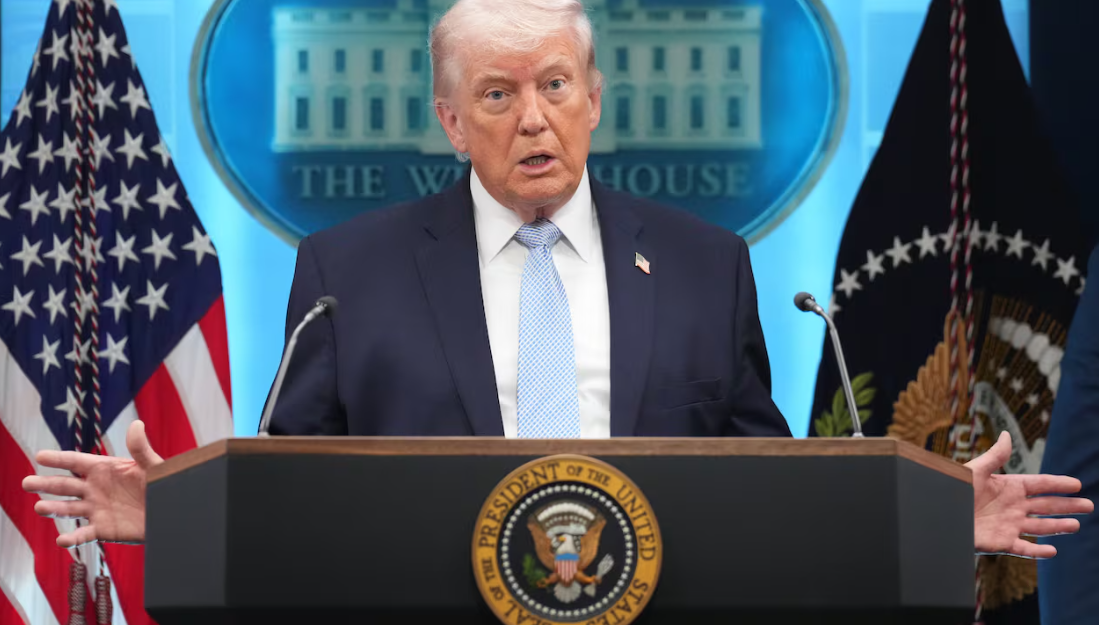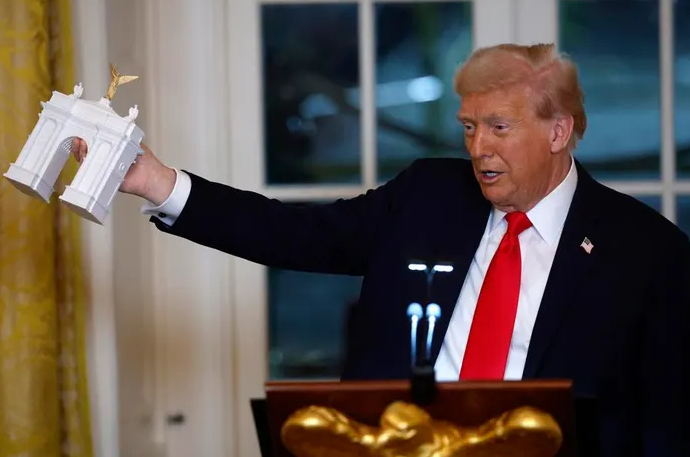
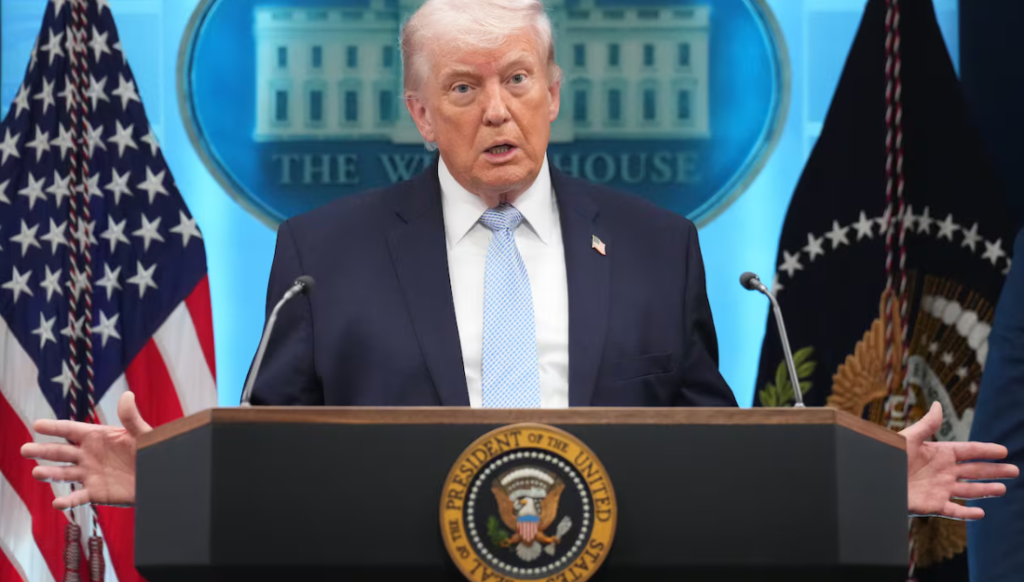
President Donald Trump sharply escalated his rhetoric toward Iran on April 5, threatening to target key pieces of the country’s infrastructure if Tehran does not reopen the Strait of Hormuz, one of the world’s most important oil-shipping routes. In a Truth Social post published on Easter Sunday, Trump warned that Tuesday would be “Power Plant Day, and Bridge Day” in Iran if the waterway remained blocked. He later added a specific deadline of Tuesday at 8:00 p.m. Eastern Time, though the White House did not clarify whether that meant an actual military strike would occur at that hour.
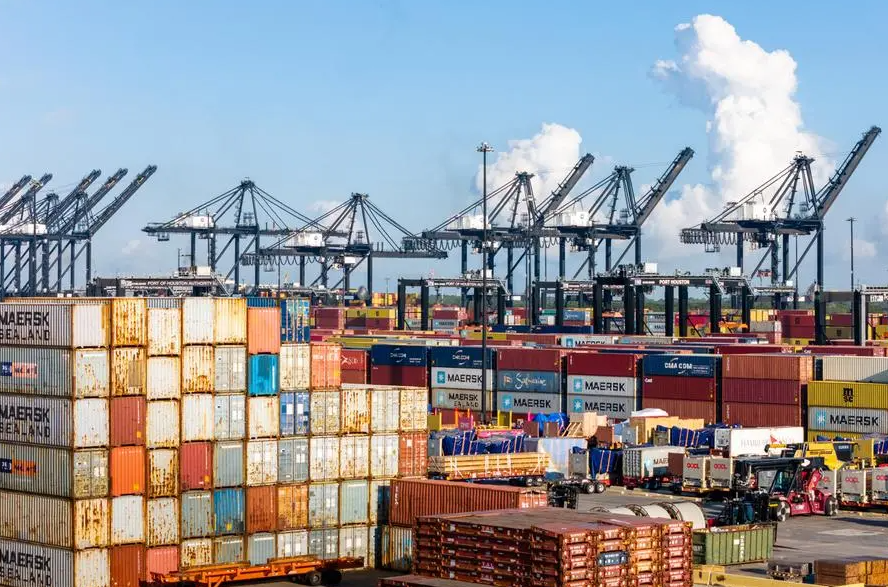
The threat comes more than a month after the United States and Israel launched attacks on Iran. Since then, the conflict has expanded into a broader regional crisis, with Iran effectively closing the Strait of Hormuz in retaliation. That closure matters enormously because the strait is a vital chokepoint for global oil transport. The blockade has already pushed fuel costs higher worldwide, with the average U.S. gasoline price rising to $4.11 a gallon, up from below $3 when the strikes began.
Trump’s latest warning suggests he is now focusing not just on military or nuclear targets, but on civilian-linked national infrastructure such as power plants and bridges. This follows an earlier threat to strike Iranian desalination plants, which some international law experts said could violate international humanitarian law. That makes the new statement especially controversial, because it raises questions about whether the administration is signaling attacks on facilities that are essential to civilian life and economic survival. Also, Iran’s Revolutionary Guards warned on Sunday that attacks against U.S. economic interests in the region would intensify if civilian targets inside Iran are struck again.
Trump paired the threats with claims that diplomacy is still possible. In television interviews, he said Iran was negotiating and that a deal might be reached today. At the same time, he warned that if no deal emerges, he could seize Iran’s oil and said “very little” is off the table. In another interview, he said the conflict should end in “days, not weeks,” but also threatened even broader destruction if that does not happen. That combination of coercive rhetoric and claims of possible negotiations appears aimed at forcing concessions quickly, and Iran’s leadership has shown no willingness to accept Trump’s demands.
The political reaction in the United States was immediate and deeply divided. Republican Representative Rick Crawford, who chairs the House Intelligence Committee, defended Trump’s posture and said Iran should not “toy with him.” But Democratic Senator Tim Kaine urged Trump to “dial back the rhetoric,” calling the language “embarrassing and juvenile” and warning that it could endanger U.S. troops. 13 U.S. service members have died and hundreds more have been wounded across the Middle East since the war began, underscoring how costly the conflict has already become for the United States.
The backlash also extended beyond party politics. Seemingly, the Council on American-Islamic Relations criticized Trump’s use of “Praise be to Allah” in the same post as violent threats, calling it a disturbing use of religious language. Former Representative Marjorie Taylor Greene, once one of Trump’s strongest allies, also condemned his remarks.
Overall, the episode is a major new escalation in both tone and stakes. Trump is threatening direct attacks on infrastructure central to Iran’s daily functioning while fuel prices climb, U.S. casualties mount, and the risk of a wider regional war grows. Even if the threat is partly intended as negotiating pressure, it has intensified fears that the conflict could soon move into an even more destructive phase.