
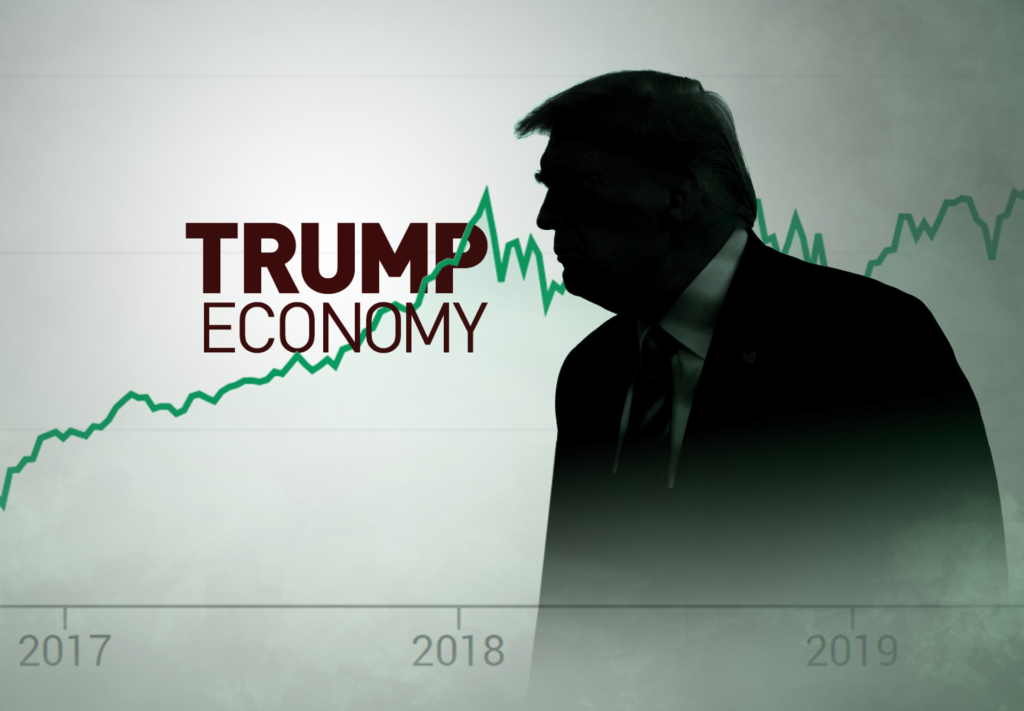
The Wall Street Journal’s year-one snapshot of President Trump’s second-term economy paints a picture of uneven performance: some headline indicators look stable or even strong, but several underlying pressures—especially jobs, housing, and trade—remain stubborn or have worsened.
On the labor market, the biggest shift is slower job creation. The U.S. added 181,000 jobs in 2025, the weakest annual gain outside a recession in more than two decades. Even so, the unemployment rate remained relatively low at 4.3%, a resilience the article partly links to reduced immigration, which can shrink labor supply and keep unemployment from rising as much when hiring cools. The result is a labor market that isn’t collapsing, but also isn’t delivering the kind of broad-based momentum Americans associate with a “booming” economy.
Inflation, meanwhile, looks better on paper than many feared given tariff shocks. Apparently, inflation was 2.4%, which is relatively subdued compared with recent years. Yet the story emphasizes a key political reality: even if inflation is lower, prices remain high, especially for essentials—so many households still feel squeezed. Real wages rose slightly overall, helping keep consumer spending going, but the gains weren’t evenly distributed; low-income workers saw declines, a reminder that “average” outcomes can mask real stress at the bottom of the income ladder.
Financial markets and business investment tell a different, brighter story: a strong stock market, including the Dow’s crossing of 50,000, supported by heavy investment tied to the AI boom. That wealth effect can help consumption—especially for higher-income households—but it also underscores the gap between Wall Street strength and Main Street sentiment when living costs still feel elevated.
Growth looks solid but not spectacular. The overall economic growth is 2.2% -a deceleration- and it was weighed down by disruptions including a government shutdown. In trade, the picture is worse: the U.S. trade deficit widened to a record $1.241 trillion, while manufacturing jobs declined amid tariff-related uncertainty and higher costs, even though factory output improved modestly.
Housing remains one of the clearest pain points. With households spending about 42% of income on mortgages—an unusually heavy burden that helps explain why easing inflation hasn’t automatically translated into relief.
Trump’s first year back produced turbulence and some unexpected wins—especially in markets and inflation—while jobs growth, housing affordability, and trade outcomes complicate the administration’s claim of a broad, felt-at-home economic turnaround.