Major packaged-food and beverage companies are rapidly retooling products and marketing as appetite-suppressing GLP-1 drugs spread through the U.S., changing what—and how much—people buy. It’s a shift from “wait and see” to “act now,” with companies emphasizing shorter ingredient lists, smaller pack sizes, and more protein- and fiber-forward foods designed to keep consumers fuller longer.
The financial stakes are significant. Estimates suggest diet changes linked to GLP-1 use could translate into up to $12 billion in lost U.S. snack sales over the next decade. Meanwhile adoption has surged: GLP-1 use more than doubled in the 12 months to December, and roughly 20% of U.S. households now include at least one user, according to a PwC analysis. There is a sharp jump in corporate attention: nearly three dozen non-healthcare companies have mentioned GLP-1s or weight loss on earnings calls so far this year, up from 14 a year earlier and just five two years earlier.
Executives are trying to interpret whether this is a temporary fad or a durable demand reset. The CEO of Magnum Ice Cream is quoted saying people on GLP-1s still eat treats, but show “a stark reduction of mindless munching and binge eating.” That insight is driving an industrywide re-think: instead of only selling indulgence and volume, companies are building portfolios around satiety, portion control, and “better-for-you” positioning.
The response is visible in product strategy and capital spending.Seemingly, capital expenditures are expected to rise at most big food companies in 2026—by as much as 23% for General Mills—as firms fund reformulations, line extensions, and manufacturing capacity. PepsiCo launched a “Simply NKD” line, and is rebranding products like Lay’s and Gatorade by removing artificial colors. It also plans to test mini-meal options in the U.S. using its Sabra and Siete brands, signaling a push beyond snacks toward more meal-like solutions.
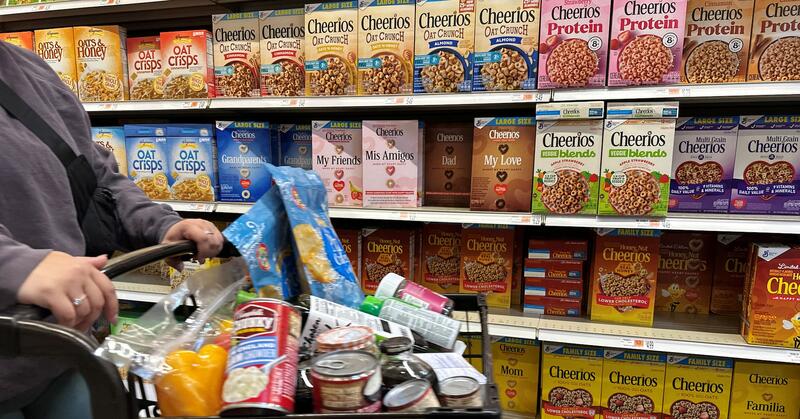
Other giants are leaning into high-protein demand. Coca-Cola increased production to meet rising demand for its protein-infused Fairlife milk, while General Mills launched higher-protein Cheerios. Conagra Brands is investing in protein-forward snacks like Slim Jim meat sticks, nuts, and seeds. Even smaller players are adjusting: Snap Kitchen expanded menu items emphasizing fiber and lean protein, saying GLP-1 adoption is accelerating its product pipeline.
Consumer behavior data underscores why companies are moving fast. According to PwC analysis data, GLP-1 users consume about 40% fewer calories on average; dessert consumption is down 84%, alcohol down 33%, and fresh produce up 70%+. Grocery baskets are smaller too—especially for single-person households. The conclusion: GLP-1s are not just a health trend; they’re forcing a structural redesign of mainstream food portfolios toward smaller portions, simpler ingredients, and nutrient-dense formats.