Most Split Fed Vote Since 1992 Leaves Markets Rethinking the Outlook for Lower Rates
· 2 min read
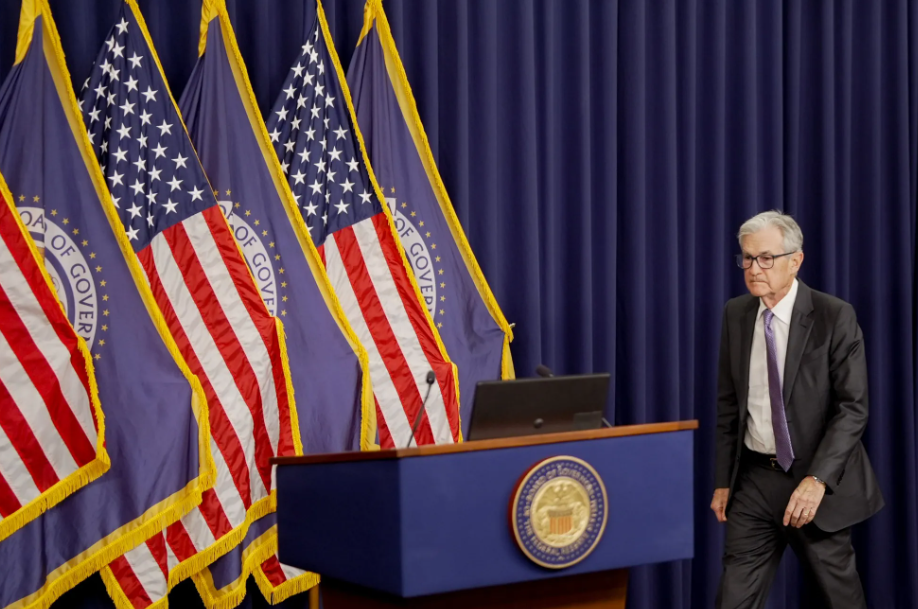
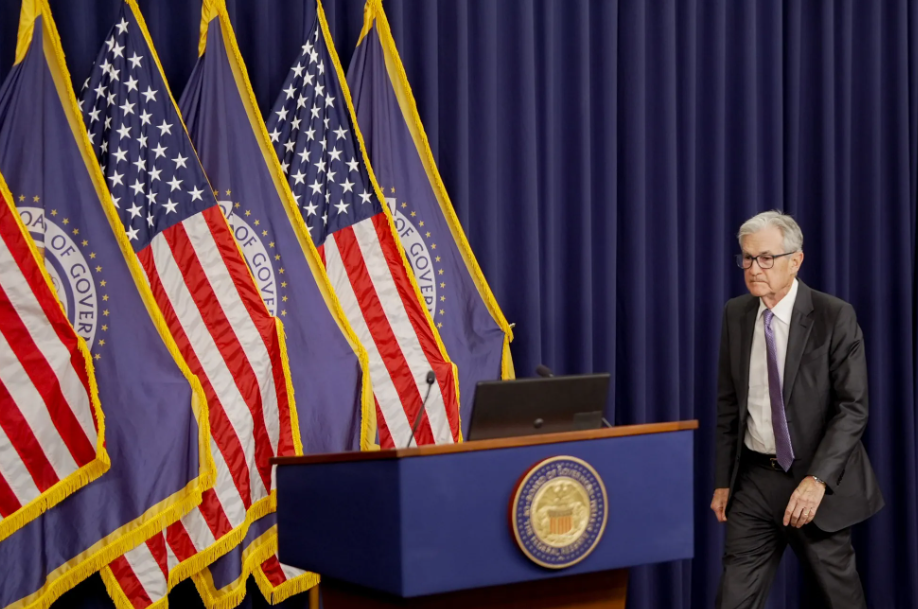
The Federal Reserve left interest rates unchanged on April 29, but the real significance of the meeting was how divided policymakers appeared to be. Fed kept its benchmark rate in the 3.5% to 3.75% range, as expected, yet the vote was the most split since 1992. Eight officials supported holding rates steady, while four dissented: three objected to keeping an easing bias in the statement, and one favored an immediate rate cut. That unusually public division suggested the central bank is no longer united around the idea that lower rates are the likely next step.
The split matters because it changes how investors interpret the Fed’s direction. Traders moved quickly after the announcement to reduce expectations for rate cuts in 2026, with markets pricing in no cuts this year and even assigning about a 25% chance of a rate hike over the next 12 months. Those shifting expectations reflect concern that rising oil prices and the broader fallout from the Iran war could push inflation higher again, making it harder for the Fed to ease policy even if growth slows.
The backdrop to the decision is especially important. Policymakers are dealing with renewed inflation worries tied to energy prices that have climbed back above $100 a barrel. The Fed’s statement described inflation as “elevated,” dropping the softer “somewhat” language used previously, which several analysts see as a more hawkish signal. In other words, officials appear increasingly worried that the energy shock could spill into broader and more persistent inflation rather than fading quickly.
The market response showed that investors understood the message as more hawkish than before. S&P 500 fell about 0.4% after the statement, the Dow dropped 0.8%, and the Nasdaq slipped 0.4%. Treasury yields also rose, with the 10-year climbing to 4.41% and the 2-year reaching 3.92%, its highest since late March. The dollar index gained 0.4%. These moves suggest investors saw the Fed as less willing to cut rates soon and more sensitive to renewed inflation risk.
A major reason the meeting drew so much attention is that it may have been Jay Powell’s last one as chair. Kevin Warsh is set to replace him next month, and several market commentators said the dissents amounted to a warning shot to the incoming chair. Three officials were willing to dissent not against the rate hold itself, but against the statement’s lingering easing bias. If Warsh hoped to inherit a committee ready to support lower rates, this meeting suggested otherwise.
That makes the decision more than a routine pause. It reveals a central bank caught between competing risks. Some officials are still focused on protecting growth if the economy weakens, while others are more alarmed that inflation could reaccelerate. The Fed may remain cautious for the next few quarters, especially if higher energy prices begin to affect core inflation expectations. At the same time, others still think cuts later this year are possible if the energy shock fades and labor-market conditions soften.
Overall, the meeting showed a Fed that is stable on rates for now but increasingly unstable in its internal consensus. The headline decision was no surprise. The deeper message was that the path ahead has become more contested, more political, and more dependent on whether the current oil-driven inflation shock proves temporary or lasting.