FCC Grants National-Security Exemptions For Select Chinese Drone Models
· 2 min read
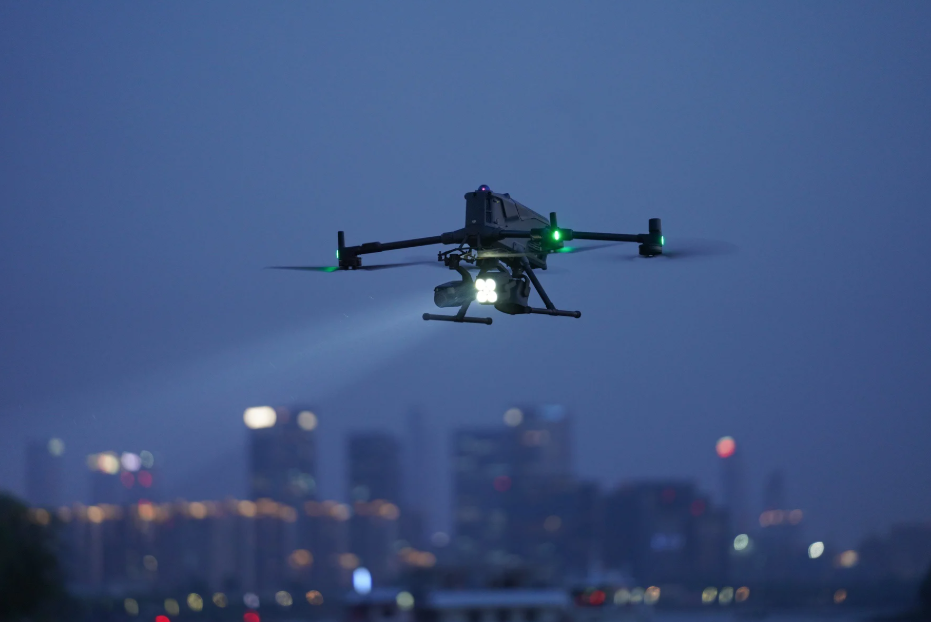
U.S. regulators have granted a limited set of exemptions to a sweeping import ban that has been reshaping the American commercial drone market since late 2025. The Federal Communications Commission (FCC) said it will allow imports of four foreign-made drone models and their critical components after the Pentagon determined the systems do not pose national security risks. The approved models are SiFly Aviation Q12, Mobilicom SkyHopper Series, ScoutDI Scout 137, and Verge X1.
The decision is significant because the FCC’s “covered list” restrictions have become one of Washington’s strongest tools for squeezing out Chinese drone manufacturers from the U.S. market. Under the import ban adopted in December, companies that are not exempted cannot get the FCC approvals needed to sell new drone models or certain critical components in the United States. However, companies not on the exemption list can still sell existing versions already approved, and Americans can continue to buy and use drones that were previously authorized.
A key detail: none of the newly exempted drones are from Chinese companies. The carve-out is part of a broader crackdown aimed at Chinese drone dominance—especially from DJI, which is reported to sell more than half of all U.S. commercial drones, and Autel, another major China-based manufacturer. The exemption announcement underscores that Washington is trying to balance two competing pressures: reduce perceived national security risk from foreign tech (especially Chinese hardware and data flows) while avoiding a sudden collapse in the drone ecosystem relied on by businesses, hobbyists, and public-safety users.
The FCC’s approach is designed to be selective rather than total. The agency has been emphasizing a transition—limiting new imports and new models while not immediately cutting off current users. FCC Chair Brendan Carr told prensa, that the goal is to mitigate national security risk while avoiding needless disruption to consumers and existing operations. In practical terms, the new exemptions create a narrow pathway for certain non-Chinese manufacturers (and component suppliers) to keep shipping into the U.S., provided they can clear Defense Department scrutiny.
The policy is also playing out in court. Seemingly, DJI filed a legal challenge in the U.S. Court of Appeals (Ninth Circuit), arguing the FCC’s decision improperly blocks imports of its new models and critical components and denies U.S. customers access to the company’s latest technology. That lawsuit illustrates the high stakes: the ban doesn’t just affect a niche market—it affects a major category of commercial tools used in industries like construction, agriculture, surveying, filmmaking, and emergency response.
For U.S. officials, the core argument is that drones can be powerful data-collection platforms—capturing imagery, geolocation data, and infrastructure details—and that supply-chain security matters. For drone users and some industry advocates, the fear is that the crackdown reduces competition, raises prices, and slows innovation, especially if U.S. or allied alternatives cannot scale fast enough. The FCC’s exemption move is a partial answer: it signals Washington is willing to allow foreign drones into the market when the Pentagon says they are low-risk, even while it continues tightening the screws on Chinese makers.