Tensions Surge in Hormuz as U.S. Moves to Escort Ships and Iran Pushes Back
· 2 min read
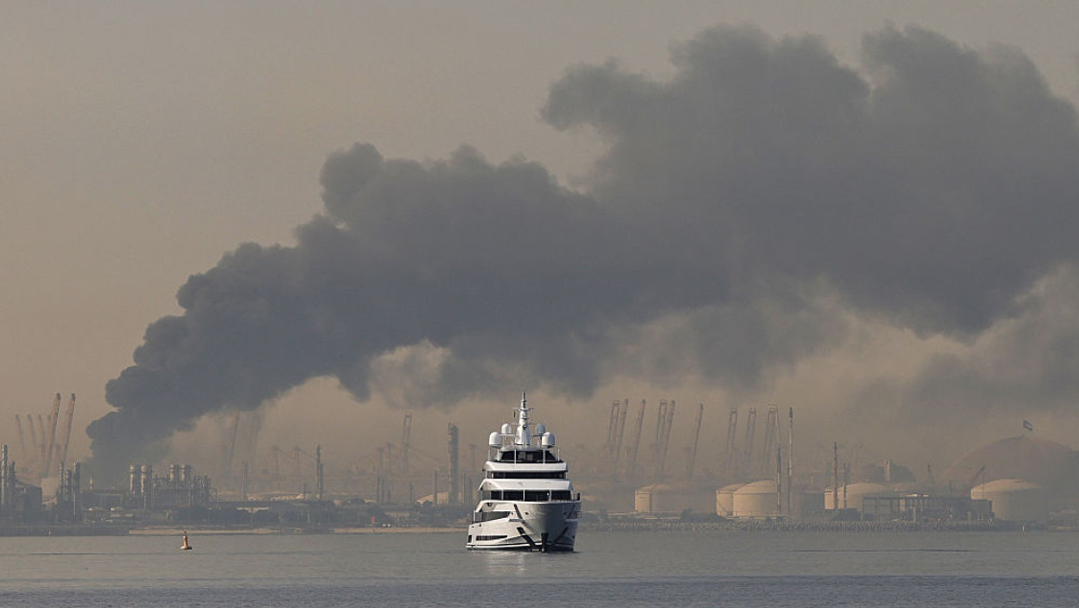
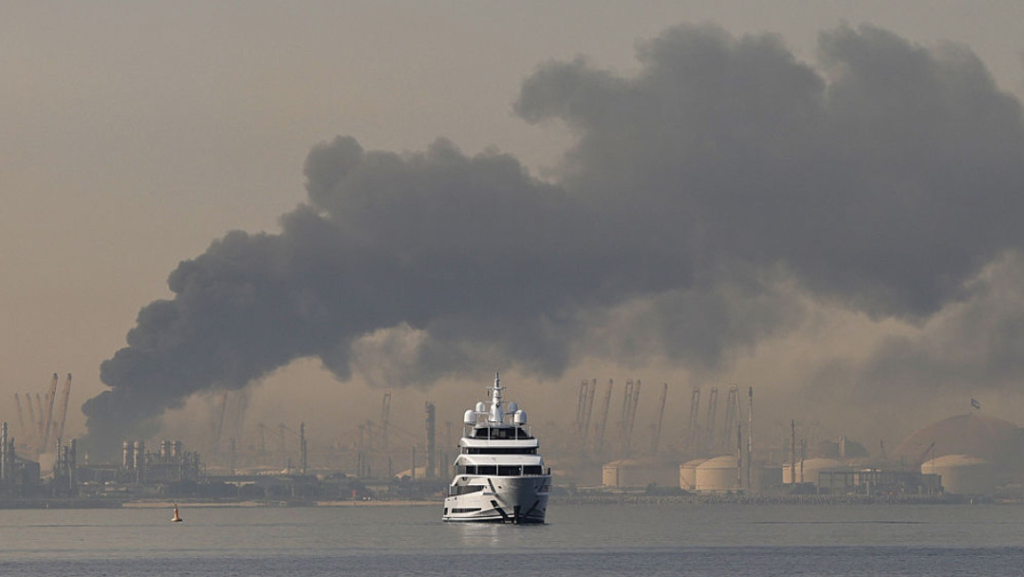
A dangerous escalation is unfolding in the Strait of Hormuz, one of the world’s most critical shipping routes, as the United States and Iran clash over control of maritime access during an already fragile regional conflict. The situation has intensified following a U.S. initiative aimed at reopening the waterway, which Iran has effectively restricted amid ongoing hostilities.
The U.S. plan, described as a humanitarian mission, seeks to guide and assist commercial ships stranded in the Gulf. Hundreds of vessels and thousands of sailors have been impacted by the disruption, with supplies running low and shipping activity severely constrained. Washington has framed the operation as an effort to restore global trade flows and reduce economic pressure caused by the blockage. However, the lack of clarity around how the operation will be executed has raised concerns among shipping companies and international observers.
Iran has responded aggressively, warning that any foreign military presence in the strait without its coordination would be treated as a violation of sovereignty and potentially of the existing ceasefire. Iranian forces have issued direct threats to foreign navies and claimed they would respond decisively to unauthorized movements. In some reports, Iranian officials stated they had already prevented U.S. warships from entering the strait through warnings and possible military action.
The confrontation has not remained purely rhetorical. There have been multiple reports of attacks on vessels and military assets in and around the strait. Iranian forces allegedly struck commercial ships and targeted infrastructure in the United Arab Emirates, including a key oil facility, signaling a willingness to escalate the conflict beyond maritime warnings. At the same time, conflicting accounts have emerged about whether U.S. ships were directly hit, highlighting the fog of war and the difficulty of verifying events in real time.
Despite U.S. efforts, the strait remains highly unstable. Some American-assisted vessels have reportedly managed to pass through, but many shipping companies remain reluctant to risk transit without stronger security guarantees. Insurance costs, safety concerns, and uncertainty about potential attacks have all contributed to a continued slowdown in maritime traffic.
The strategic importance of the Strait of Hormuz makes the situation particularly alarming. A significant portion of the world’s oil supply passes through this narrow corridor, and any disruption has immediate global economic consequences. Recent developments have already contributed to rising oil prices and heightened volatility in energy markets, underscoring the global stakes of the conflict.
Diplomatic efforts to de-escalate tensions remain ongoing but fragile. While there have been indications of possible negotiations, both sides continue to issue strong warnings and maintain military readiness. Iran has suggested that broader issues, including nuclear negotiations, are tied to resolving the maritime standoff, complicating efforts to reach a quick resolution.
Ultimately, the crisis in the Strait of Hormuz reflects a broader geopolitical struggle, where military posturing, economic pressure, and strategic control intersect. The U.S. aims to ensure freedom of navigation and stabilize global markets, while Iran seeks to assert control over a vital chokepoint as leverage in a wider conflict. As tensions persist, the risk of further escalation remains high, with potential consequences not only for the region but for the global economy as a whole.